
 TNA PartnerDivision I
Alcorn State University
NCAA Division I · SWAC
- Open roster spots
- 1 women’s spot · Fall 2027
- Est. annual cost
- $22k before aid
Find your U.S. college tennis opportunity.
60+ Partner UniversitiesOne Profile. Multiple Opportunities.
TNA connects tennis players with coaches at 60+ partner universities across NCAA Division I, II and III, NAIA and junior college. One TNA Scholarship Membership (€350 / 12 months) covers unlimited applications. TNA provides access, matching, guidance and support — no scholarship is ever guaranteed.
New partner universities are added regularly.
TNA works with universities across NCAA Division I, II and III, NAIA and junior college. Every university has its own page — and you can apply to any of them with your TNA profile.
TNA PartnerDivision INCAA Division I · SWAC
 TNA PartnerDivision II
 TNA PartnerDivision III
NCAA Division III · SCIAC
 TNA PartnerDivision I
 TNA PartnerDivision II
 TNA PartnerJunior college
Junior college · NJCAA Region 23
 TNA PartnerDivision I
 TNA PartnerDivision II
NCAA Division II · CIAA (women) · Independent (men)
 TNA PartnerDivision I
 TNA PartnerDivision II
 TNA PartnerDivision I
 TNA PartnerDivision I
 TNA PartnerDivision II
NCAA Division II · Peach Belt
 TNA PartnerNAIA
 TNA PartnerDivision I
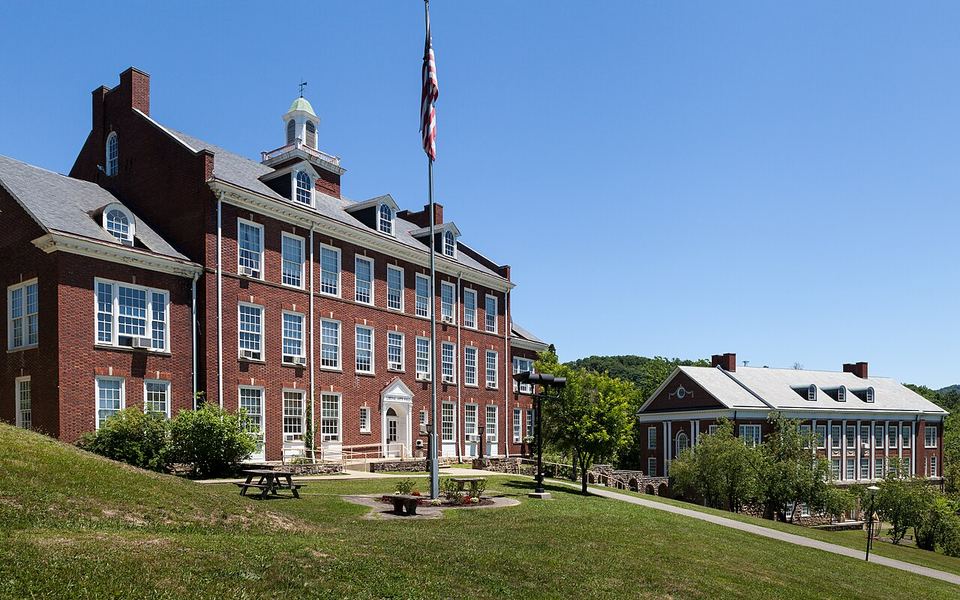 TNA PartnerDivision II
NCAA Division II · Mountain East
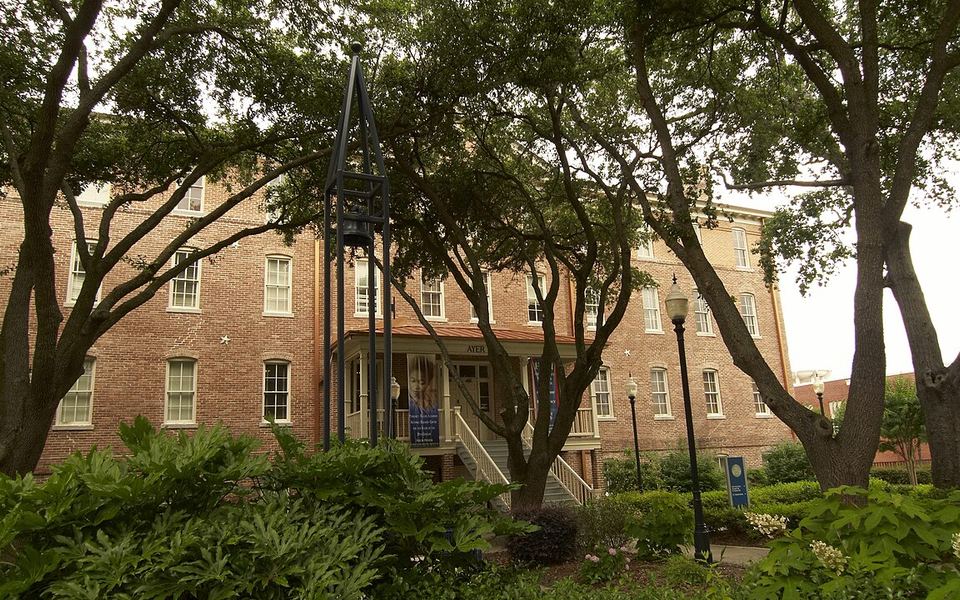 TNA PartnerDivision I
NCAA Division I · SWAC
 TNA PartnerDivision II
 TNA PartnerDivision I
NCAA Division I
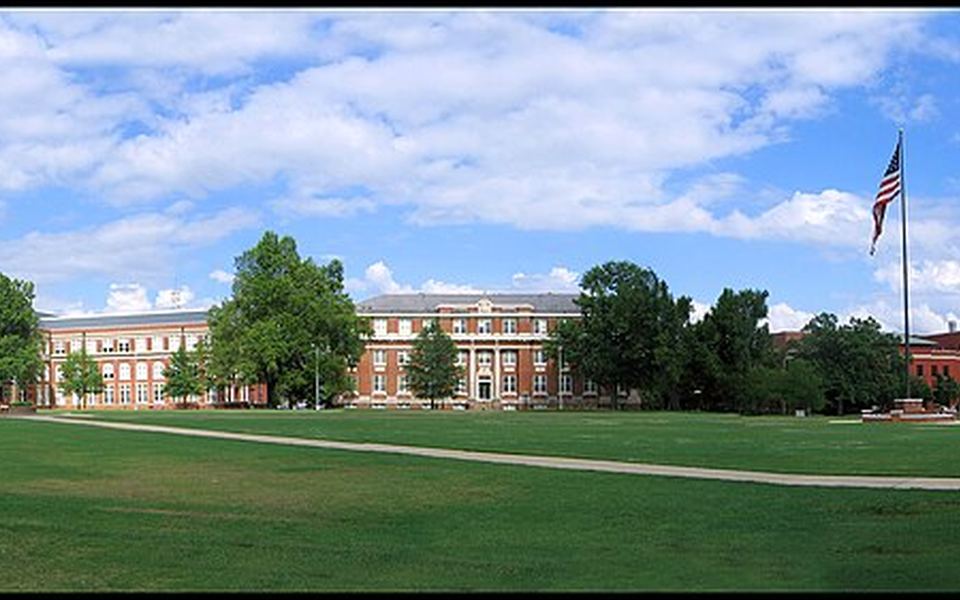 TNA PartnerDivision I
 TNA PartnerDivision II
NCAA Division II · PSAC
 TNA PartnerNAIA
NAIA · Sun Conference
 TNA PartnerDivision I
NCAA Division I · Conference USA
 TNA PartnerDivision II
NCAA Division II · Sunshine State
 TNA PartnerDivision I
NCAA Division I · WCC
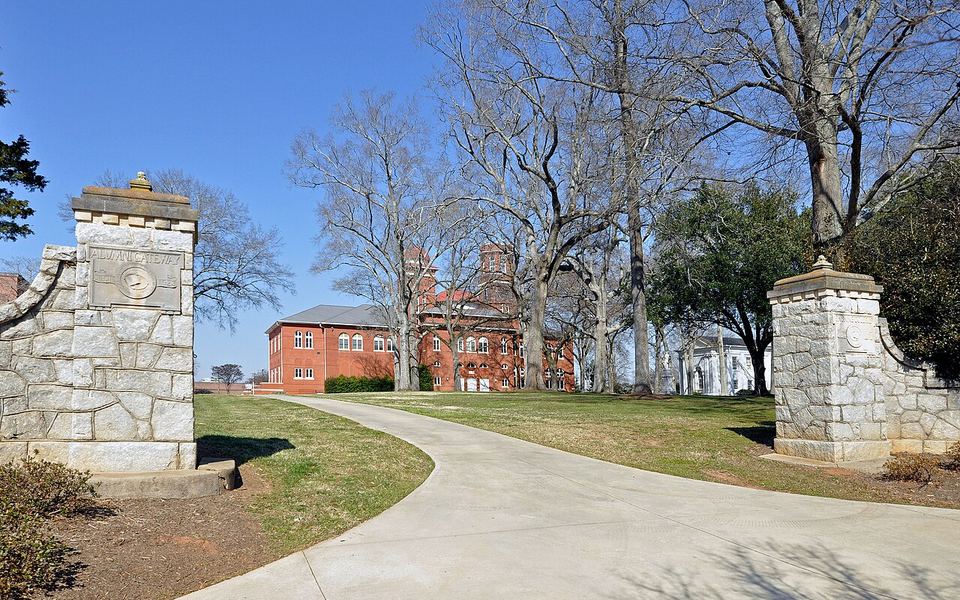 TNA PartnerDivision II
NCAA Division II · Conference Carolinas
 TNA PartnerDivision I
 TNA PartnerDivision I
 TNA PartnerDivision II
NCAA Division II · Mountain East
Junior college · Western State
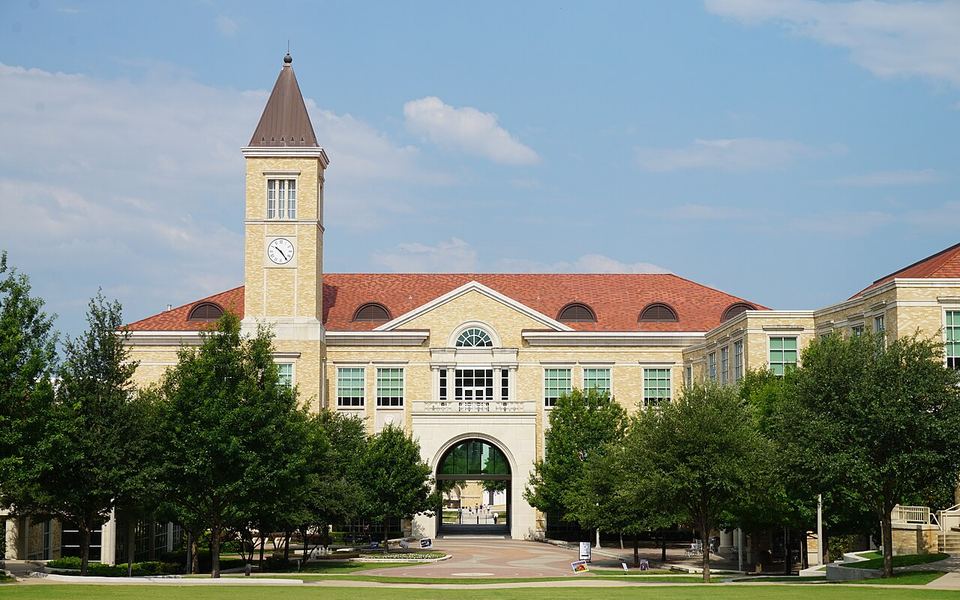 TNA PartnerDivision I
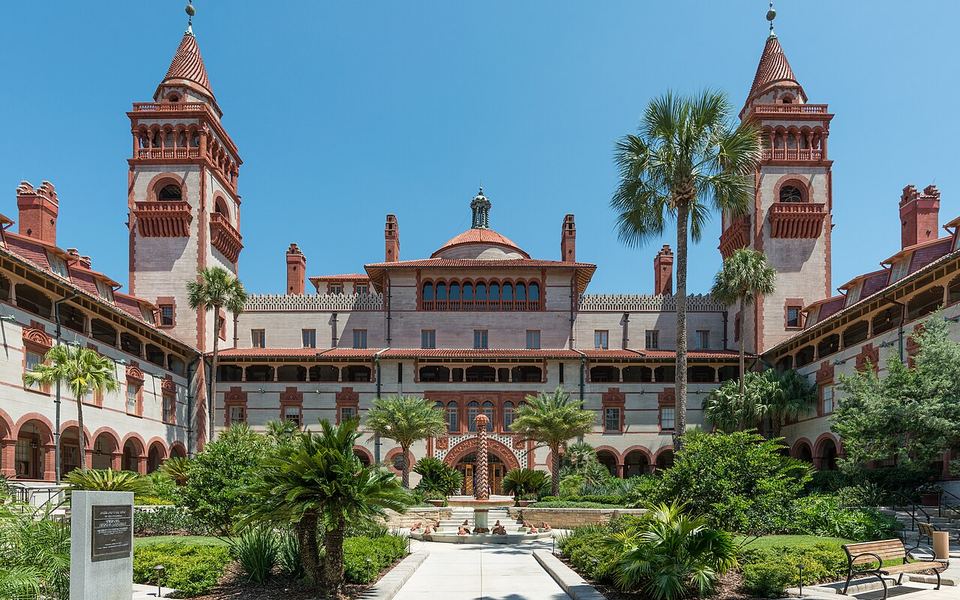 TNA PartnerDivision II
 TNA PartnerDivision I
 TNA PartnerDivision II
 TNA PartnerDivision I
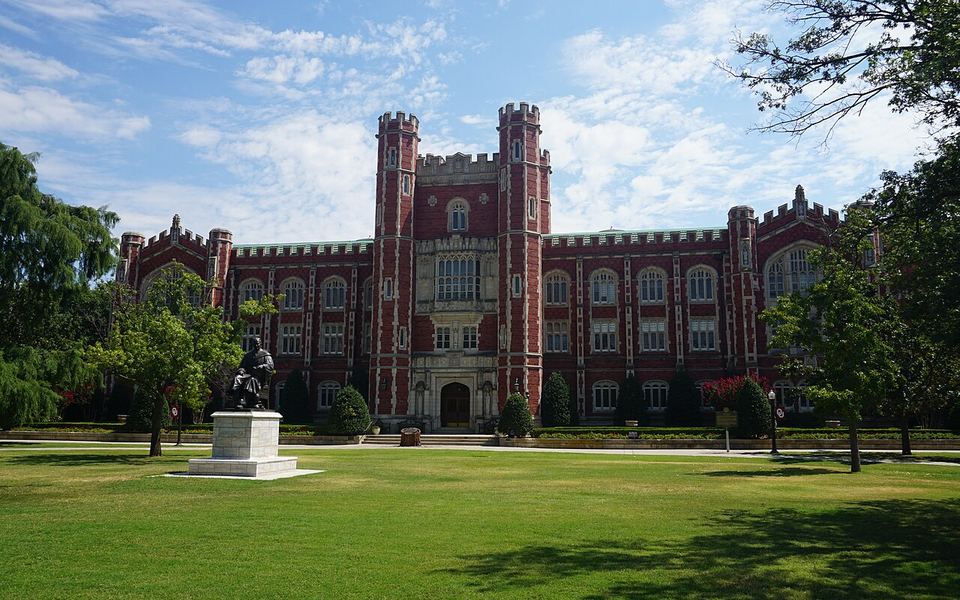 TNA PartnerDivision I
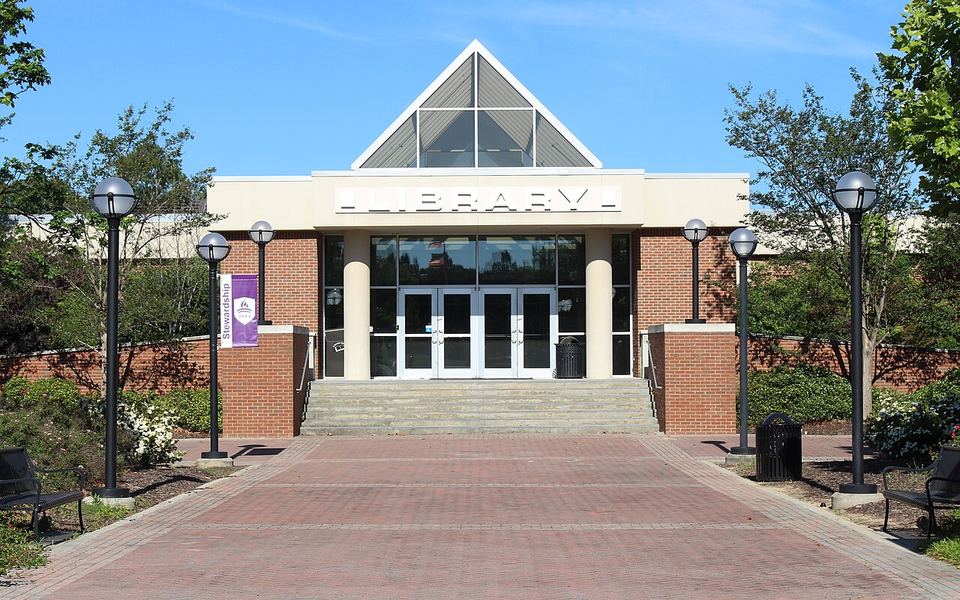 TNA PartnerDivision II
NCAA Division II · Peach Belt
 TNA PartnerNAIA
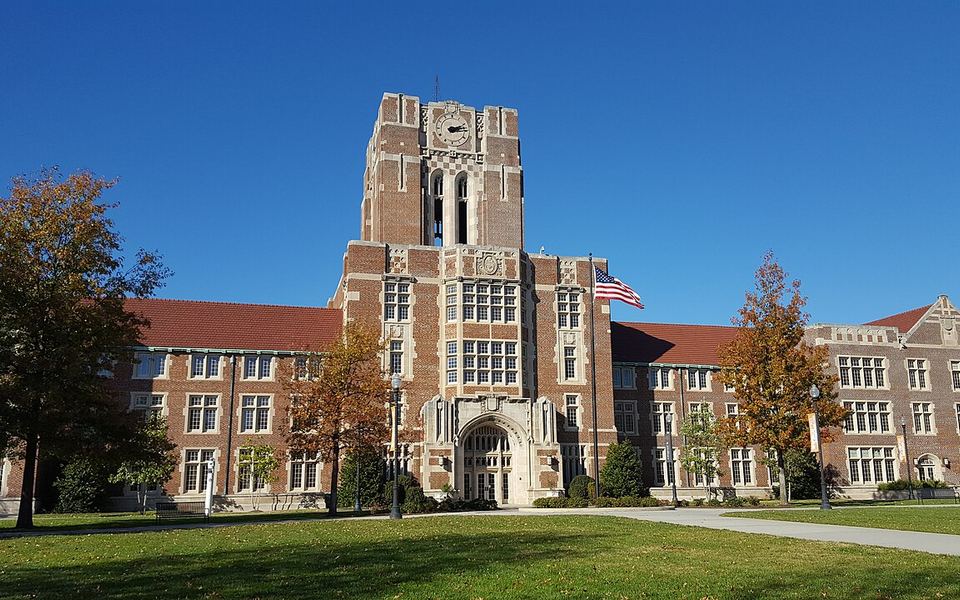 TNA PartnerDivision I
NCAA Division I · SEC
 TNA PartnerDivision II
 TNA PartnerDivision I
NCAA Division I · SEC
 TNA PartnerDivision II
 TNA PartnerDivision I
NCAA Division I · Big Ten
 TNA PartnerDivision I
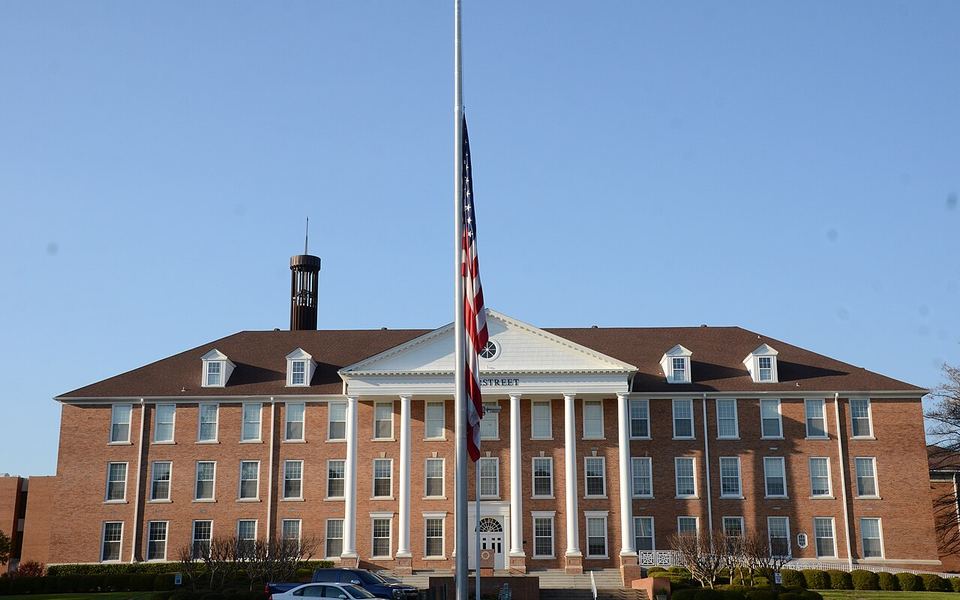 TNA PartnerDivision II
NCAA Division II · GAC (women) · MIAA/GAC (men)
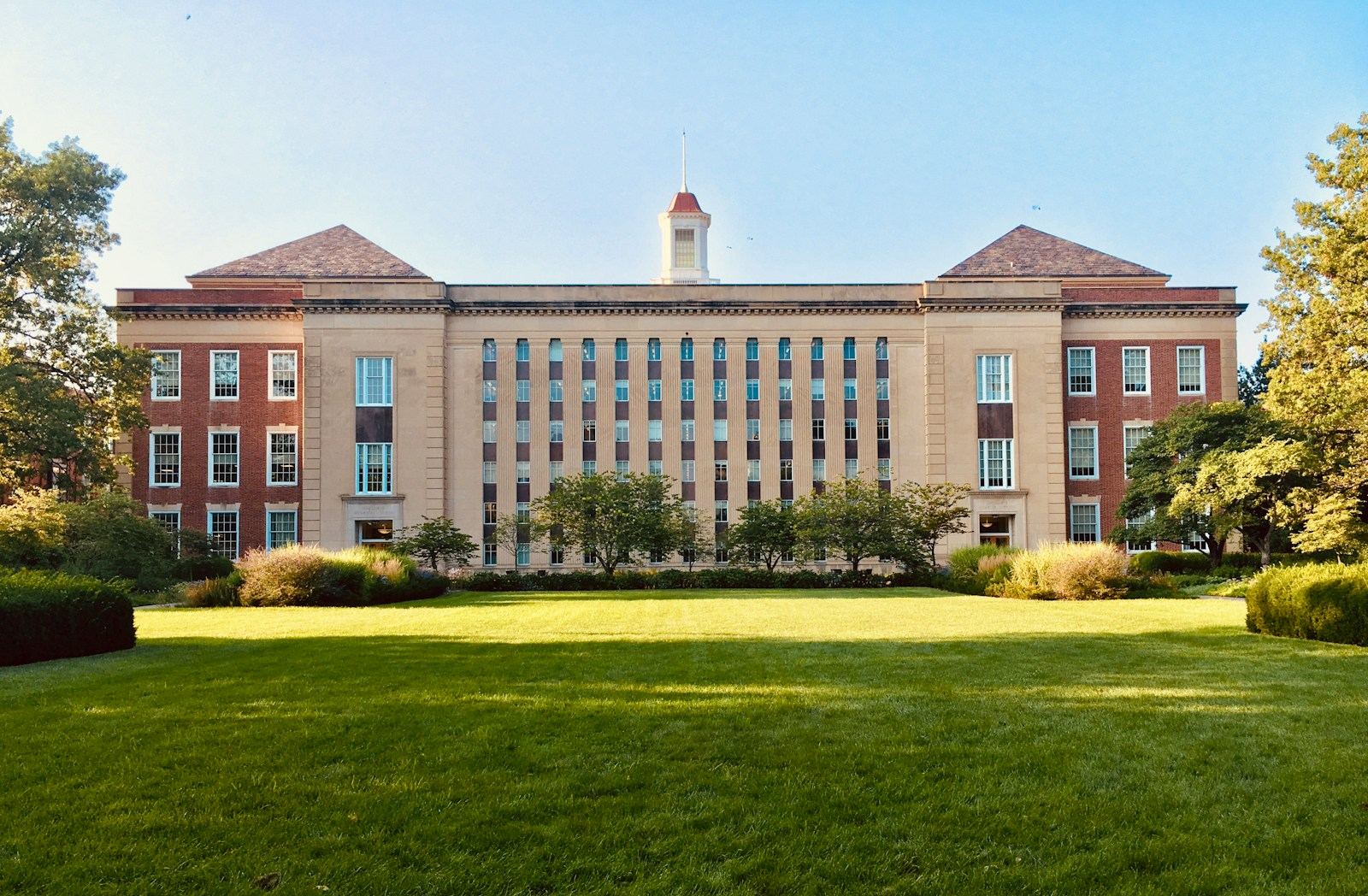 TNA Partner
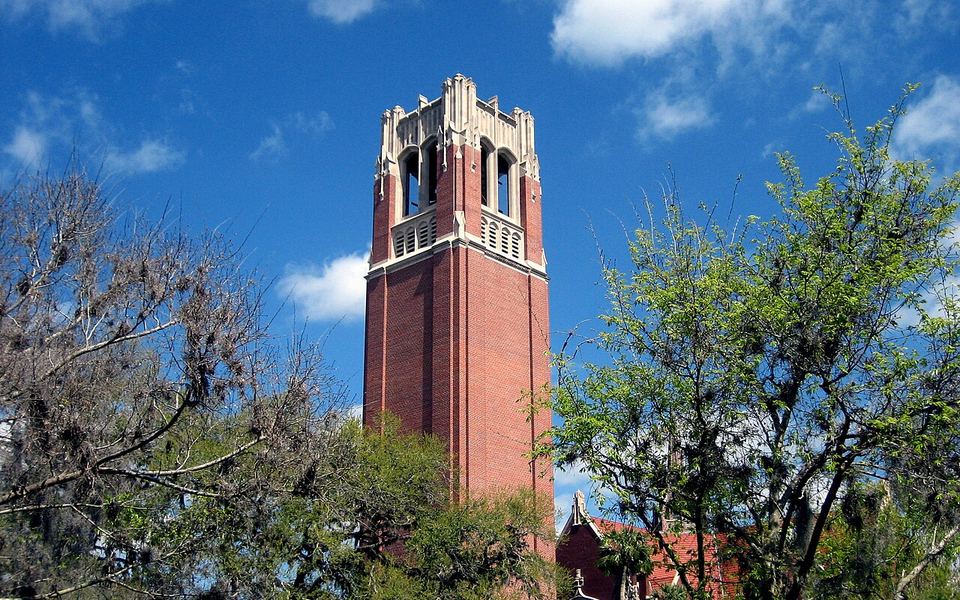 TNA PartnerDivision I
 TNA PartnerDivision II
NCAA Division II · Lone Star
 TNA PartnerDivision I
 TNA PartnerDivision II
NCAA Division II · Mountain East
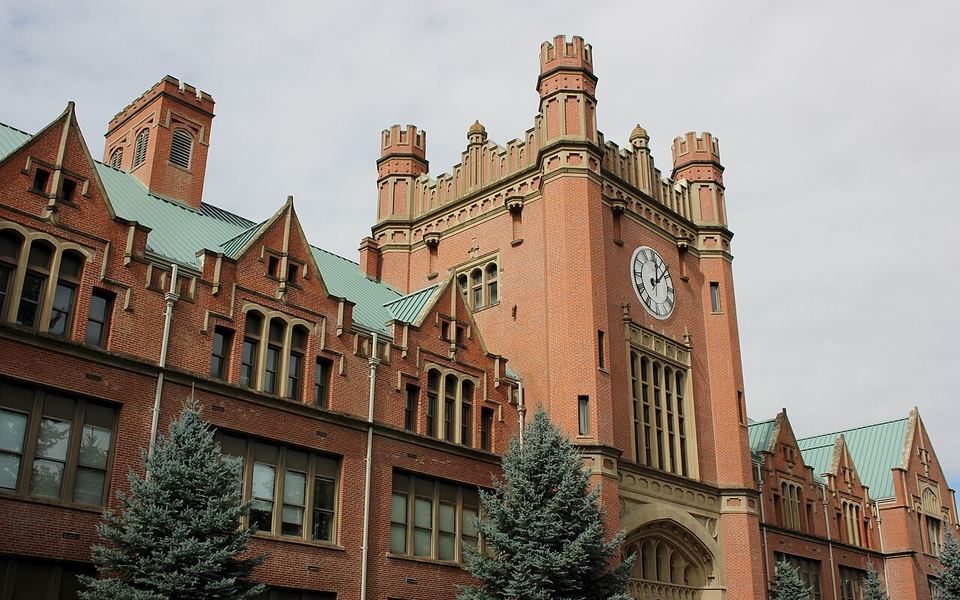 TNA PartnerDivision I
NCAA Division I · Big Sky
 TNA PartnerDivision I
 TNA PartnerDivision II
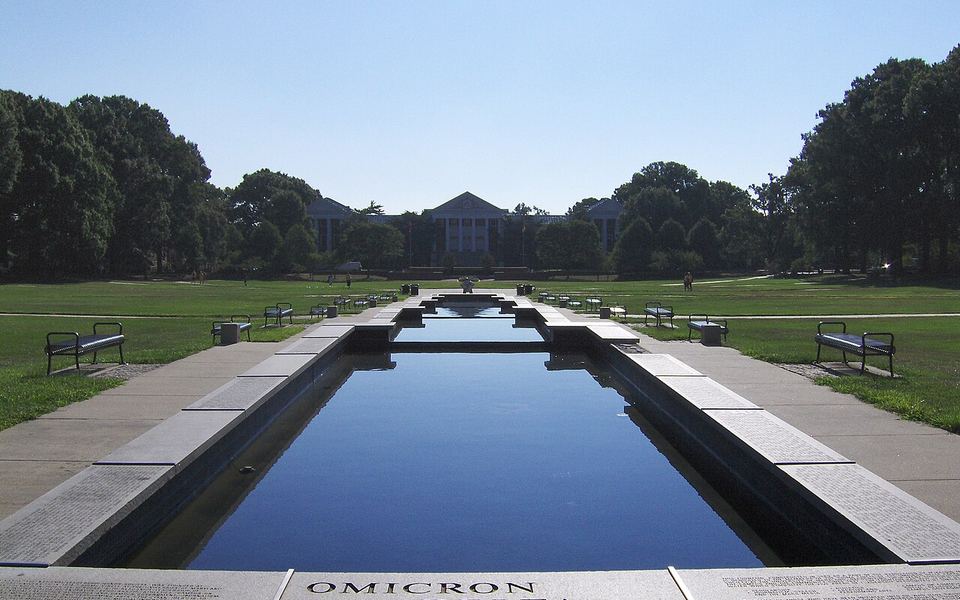 TNA PartnerDivision I
 TNA PartnerDivision I
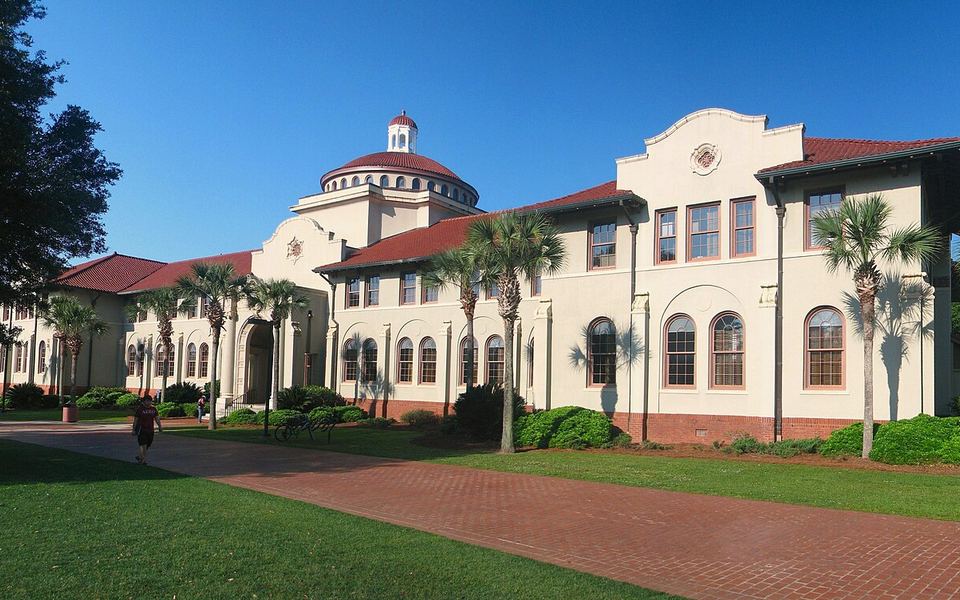 TNA PartnerDivision II
NCAA Division II · Gulf South
 TNA PartnerDivision I
NCAA Division I · Big Ten
 TNA PartnerDivision II
NCAA Division II · MIAA
 TNA PartnerDivision I
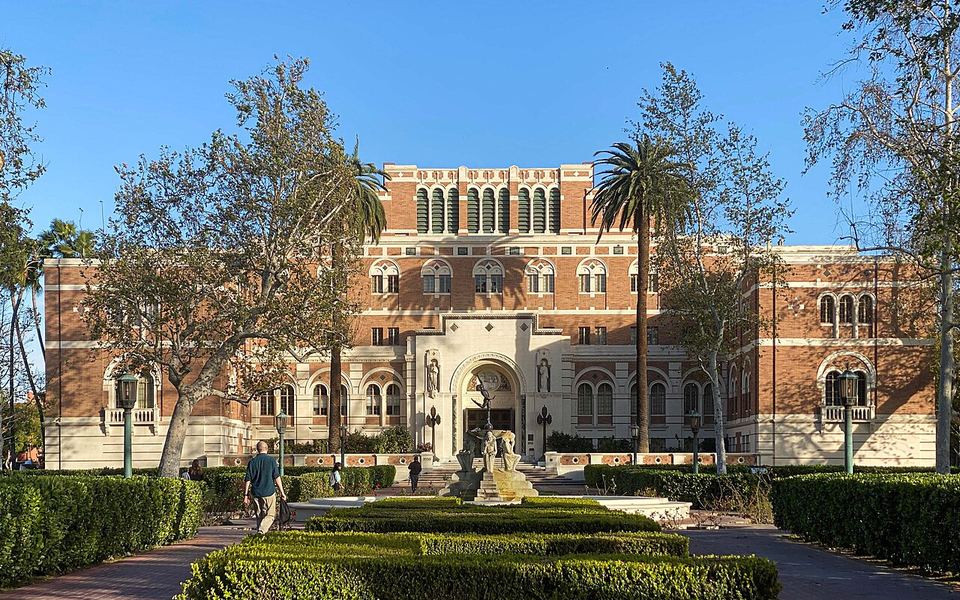 TNA PartnerDivision I
NCAA Division I · Big Ten
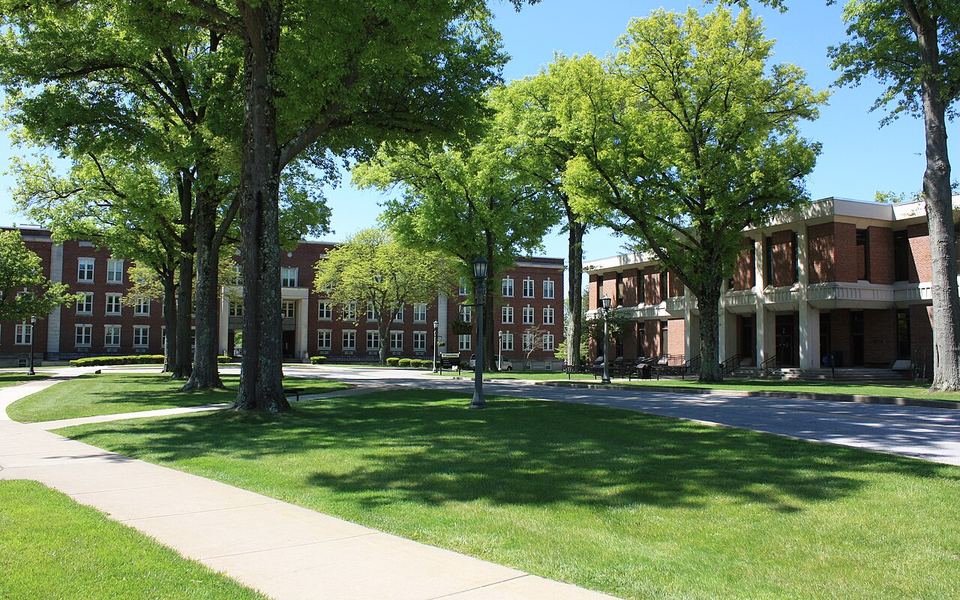 TNA PartnerDivision II
NCAA Division II · Mountain East
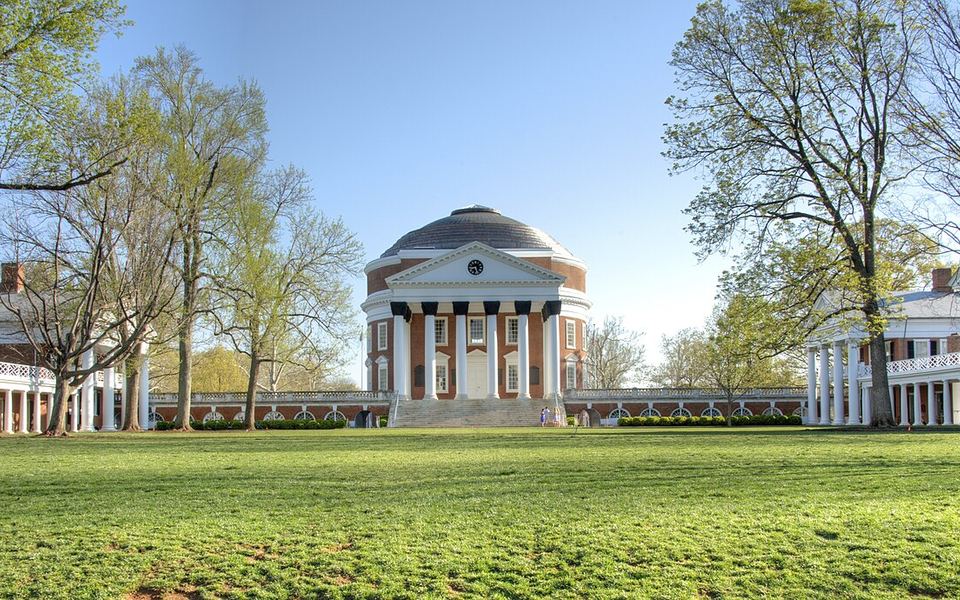 TNA PartnerDivision I
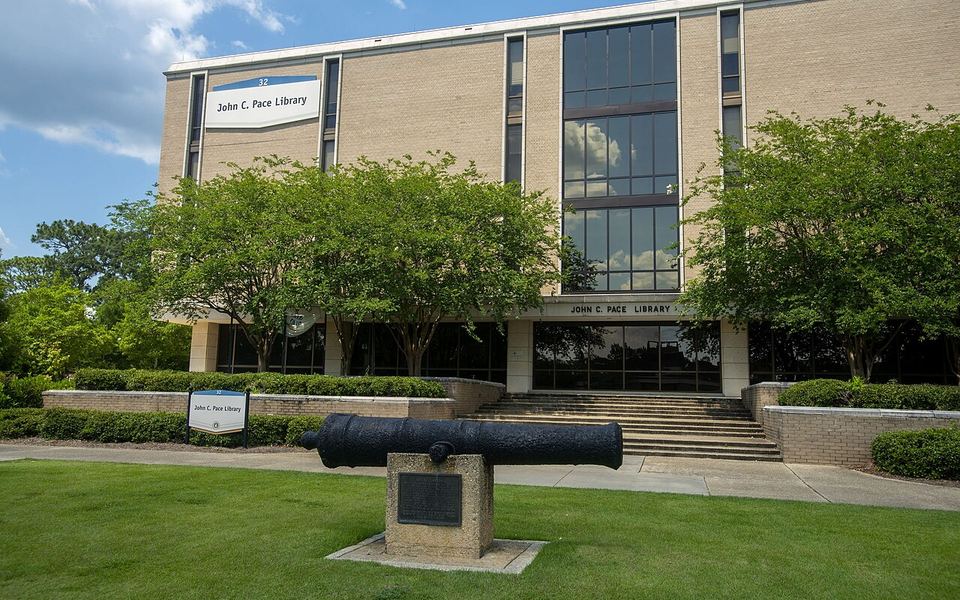 TNA PartnerDivision I
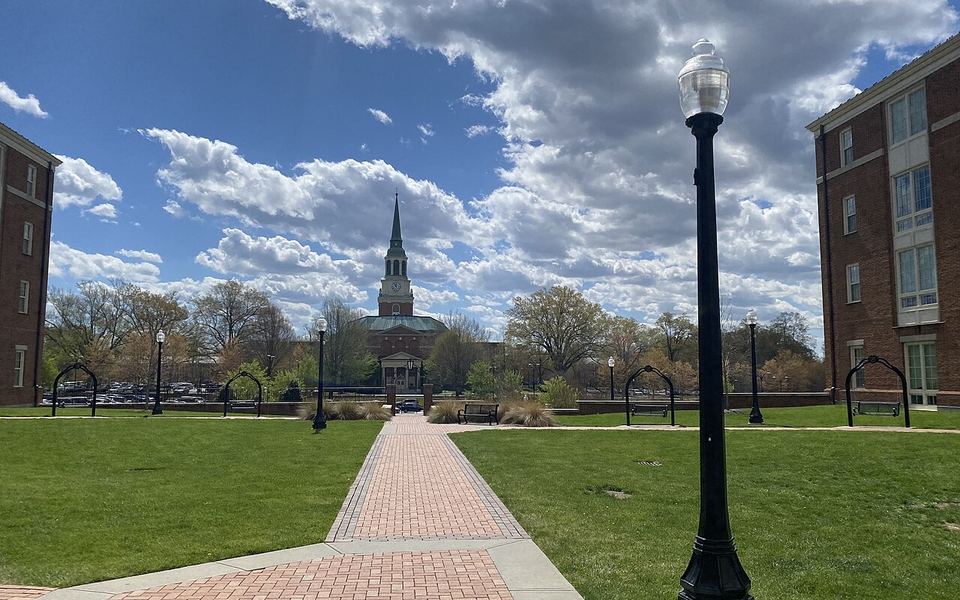 TNA PartnerDivision I
Facts come from official university and athletics sources; costs are estimates from each university’s published figures, before any aid. Photo credits
Current openings TNA is highlighting right now — alongside every partner university above.
Featured opportunityLas Cruces, New Mexico · Spring & Fall 2027
Athletic aid: not stated — the amount depends on the player and the university.
Featured opportunityMoscow, Idaho · 2027
Athletic aid: not stated — the amount depends on the player and the university.
Featured opportunityJackson, Mississippi · Fall 2027
Athletic aid: not stated — the amount depends on the player and the university.
Featured opportunityLincoln, Nebraska · Start date not stated
Athletic aid: not stated — the amount depends on the player and the university.
What to send: tennis CV, UTR profile and playing video.
Featured opportunityLorman, Mississippi · Fall 2027
Athletic aid: not stated — the amount depends on the player and the university.
Featured opportunityMalibu, California · January & Fall 2027
Athletic aid: not stated — the amount depends on the player and the university.
Featured opportunityWest Palm Beach, Florida · Fall 2027
Athletic aid: not stated — the amount depends on the player and the university.
Featured opportunityDaytona Beach, Florida · Fall 2027 or Spring 2028
Athletic aid: not stated — the amount depends on the player and the university.
Featured opportunityEdinboro, Pennsylvania · Spring & Fall 2027
Athletic aid: not stated — the amount depends on the player and the university.
Featured opportunityDecatur, Mississippi · International women’s players
Athletic aid: not stated — the amount depends on the player and the university.
Featured opportunityThousand Oaks, California · Men’s & Women’s Tennis
First-year award figures: Cal Lutheran — Undergraduate Scholarships and Grants
Featured opportunityKansas City, USA · Women’s Tennis
Featured opportunityVirginia, USA
 Featured opportunity
Dubai, UAE · Boys & girls
 Featured opportunity
Italy · Women’s high-performance programme
Swipe to see all 15 featured opportunities →
TNA Student-Athletes
Meet student-athletes represented through the TNA network.
You don’t need to apply blindly. TNA matches your tennis level, academics, budget, location and goals with the universities that fit you.
Add your UTR, academics, graduation year, budget and preferences.
TNA identifies the partner universities that fit you best.
Apply to any partner university in one click — no fee per application.
TNA introduces qualified players to coaches and supports you through every step.
Your TNA profile is free: browse, save and get to know the partner universities first. The membership is what opens applications, matching and TNA support.
Payment is by secure Stripe checkout and apply features unlock as soon as it is confirmed. TNA provides access, matching, guidance and support — offers depend on level, academics, timing, budget and each institution’s needs, and are never guaranteed.
No. Division III schools may not award financial aid to any student on the basis of athletics leadership, ability, participation or performance, so there are no athletic scholarships in Division III tennis. (Source: 2026-27 NCAA Division III Manual, Bylaw 15.01.3 (Criteria for Institutional Financial Aid)) Division III athletes can receive academic (merit-based) and need-based financial aid under the same policies as other students, and the NCAA says many do. (Source: NCAA Eligibility Center - NCAA Division III Initial Eligibility Requirements) See which colleges can offer athletic scholarships.
Yes. EducationUSA (U.S. Department of State) says more than 1,000 U.S. colleges and universities let talented students play for the college team as a way to pay for their education, and advises starting research about 18 to 24 months before the planned enrollment date. (Source: Athletic Scholarships - EducationUSA (U.S. Department of State)) Across all three NCAA divisions in 2024-25, about 24% of men's tennis players (1,783 of 7,409) and about 20% of women's tennis players (1,634 of 8,077) were reported as international. (Source: NCAA Demographics Database (student-athletes) ('All Divisions' tab)) International students who plan to enroll at any NCAA school must register with the NCAA Eligibility Center at eligibilitycenter.org. (Source: NCAA 2026-27 Guide to International Academic Standards for Athletics Eligibility) Read the guide for international students.
Since July 1, 2025, Division I rules no longer have sport-specific scholarship limits. Schools in the defendant conferences and schools that opt in work under roster limits instead, and may offer scholarships (full or partial) to any or all athletes on the roster. (Source: NCAA.org – DI Board of Directors formally adopts changes to roster limits (June 23, 2025)) At Division I schools in a House-settlement defendant conference, or schools that opted in to the settlement, men's tennis and women's tennis each have a roster limit of 10. (Source: 2026-27 NCAA Division I Manual – Bylaw 17.2 Roster Limitations) For Division I schools that did not opt in, see scholarship rules by association; every association is compared in the USA tennis scholarship guide.
Under new NCAA Division I and II age-based rules, eligible athletes who start college no later than the academic year after their 19th birthday generally get up to five years of eligibility. The clock starts at first full-time enrollment at any college, including one abroad, or at the academic year after the 19th birthday if that comes earlier, and it runs without pausing. (Source: NCAA Division I and II Age-Based Eligibility Rules: Eligibility 101 - NCAA.org) Recruits who first enrol full time at any college in 2026-27 get whichever eligibility system (old or age-based) is better for them. Those first enrolling in fall 2027 or later are under the age-based rule only. (Source: NCAA.org news (Aug. 5, 2026) - Division II adopts age-based eligibility model) NAIA athletes get four seasons of competition in a sport within their first 10 semesters (or 15 quarters) of college, and the NAIA has no age limit. (Source: NAIA Guide for the College-Bound Student-Athlete (naia.org)) NJCAA athletes get a maximum of two seasons in a sport, and playing in any part of one official contest uses a season. A season or part-season played at a foreign college uses one of the two. Prep school, post-grad or academy competition is free for one year after high school graduation, and each calendar year after that costs a season. (Source: NJCAA Handbook 2025-26 – Bylaws (1-5-26), Article V Section 5 Seasons of Eligibility) More on the 2026–27 changes in the USA tennis scholarship guide.
Yes. Every university in the TNA network is a TNA partner and has its own page. With an active TNA Scholarship Membership you can apply to as many as suit you — with no fee per application.
No. TNA provides access, matching, guidance and support — no scholarship or university place is ever guaranteed. Final offers depend on your level, academics, timing and each programme.
For U.S. universities, ideally two years before enrolment. Academy scholarships can start at any point in the season.
Creating your profile is free — you can browse and save every opportunity. To apply, you activate one product: the TNA Scholarship Membership, €350 for 12 months, paid once.
Yes — book a free strategy call, or message the team on WhatsApp if you prefer. Neither is required: you can create your profile and start on your own, online.
Since July 1, 2025, Division I rules no longer have sport-specific scholarship limits. Schools in the defendant conferences and schools that opt in work under roster limits instead, and may offer scholarships (full or partial) to any or all athletes on the roster. (Source: NCAA.org – DI Board of Directors formally adopts changes to roster limits (June 23, 2025))
At Division I schools in a House-settlement defendant conference, or schools that opted in to the settlement, men's tennis and women's tennis each have a roster limit of 10. (Source: 2026-27 NCAA Division I Manual – Bylaw 17.2 Roster Limitations)
Division I schools that did not opt in are not bound by the settlement roster limits, and the NCAA Manual no longer sets their scholarship limits. However, if they give more aid than their sport's 2024-25 limit (men's tennis 4.5 equivalencies; women's tennis the value of 8 full scholarships), they become subject to the settlement, including roster limits. The old head-count rule no longer applies. (Source: Q&A: Implementation of the House Settlement (NCAA and defendant conferences; updated February 11, 2026))
In NCAA Division II, a men's tennis team may receive at most the equivalent of 4.5 full athletics scholarships per academic year, and coaches may split that amount among several players. (Source: 2026-27 NCAA Division II Manual, Bylaw 15.4.2.1.1 (Maximum Equivalency Limits - Men's Sports))
In NCAA Division II, a women's tennis team may receive at most the equivalent of 6.0 full athletics scholarships per academic year, and coaches may split that amount among several players. (Source: 2026-27 NCAA Division II Manual, Bylaw 15.4.2.1.2 (Maximum Equivalency Limits - Women's Sports))
Division III schools may not award financial aid to any student on the basis of athletics leadership, ability, participation or performance, so there are no athletic scholarships in Division III tennis. (Source: 2026-27 NCAA Division III Manual, Bylaw 15.01.3 (Criteria for Institutional Financial Aid))
In the NAIA, a tennis team can give at most 5 full scholarship equivalents of institutional financial aid. (Source: NAIA Official & Policy Handbook 2026-2027, Policy XIII Institutional Financial Aid Policy, H. Upper Limits for Institutional Aid)
Under the NJCAA's 2025-26 rules and its 2026-27 Sports Procedures Chart, a Division I tennis team may have up to 9 Letter of Intent scholarship signees. Only 3 may be full awards that include room and board and travel. The other 6 are limited to tuition, fees, books and up to $250 in required supplies. (Source: NJCAA 2026-2027 Sports Procedures Chart (NJCAA Handbook))
NJCAA Division II tennis programs may award athletic aid only for tuition, course fees, books and up to $250 in required supplies, with no room and board. (Source: NJCAA 2025-2026 Sports Procedures Chart)
California community colleges in the CCCAA (now branded 3C2A) cannot give athletic scholarships. Their bylaws ban paying, waiving or discounting a student-athlete's tuition, fees, housing, meals or books, and ban any award, loan, grant or scholarship not open to all eligible students. (Source: 3C2A Constitution & Bylaws 2025-26, Bylaw 7 – Awards, Benefits & Expenses for Enrolled Student-Athletes)
TNA can support student-athletes from university recruitment through their professional career.
How U.S. college tennis scholarships work — for every player, for international students and in women’s tennis.
Open roster spots shared with TNA by college coaching staffs, with the level each coach stated, where given.
TNA partner university programmes you can apply to with one TNA profile.
Training scholarships at tennis academies in Dubai and Italy.
Create one TNA profile and apply to the partner universities that match your tennis, academics and goals.
One Profile. Every Partner University. One TNA Network.